
Beyond individual use, one of the most significant conversations around magic mushrooms today involves the intersection of public policy and healthcare systems. Governments and health authorities are increasingly exploring whether regulated psilocybin programs could be integrated into therapeutic frameworks. In places where pilot programs exist, such as Oregon or parts of Canada, trained facilitators guide sessions in controlled environments, often combining psilocybin administration with psychotherapy. These programs aim to maximize benefits while minimizing risks, highlighting how context and professional oversight can dramatically influence outcomes. This approach contrasts sharply with informal, unregulated acquisition and use, which can carry unknown legal and psychological consequences.
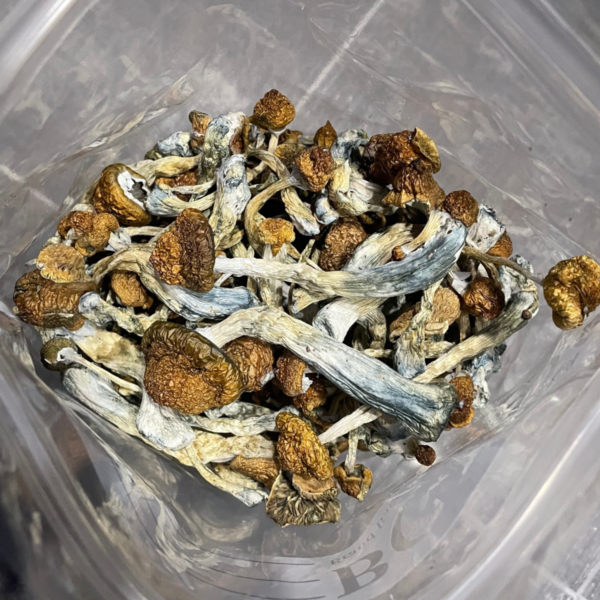
Education about the science of psilocybin has also become a key focus in modern discourse. Researchers are investigating not only how psilocybin affects the brain chemically but also how it can influence thought patterns, emotional processing, and the BUY MAGIC MUSHROOMS perception of self. Early clinical trials indicate that psilocybin may help “reset” neural pathways in ways that improve mood, reduce anxiety, and enhance psychological flexibility. However, these effects are highly context-dependent, and the results observed in controlled studies cannot be assumed to apply universally. The scientific consensus emphasizes caution: self-administered use without professional guidance or proper preparation can lead to unpredictable experiences.
From a cultural perspective, modern interest in magic mushrooms has rekindled discussions about indigenous knowledge systems. Many traditional cultures have used psilocybin-containing mushrooms ceremonially for thousands of years, often under the guidance of experienced practitioners. These practices emphasize intention, ritual, and community, contrasting sharply with casual recreational use in unregulated settings. Contemporary conversations about buying mushrooms increasingly include ethical considerations, such as respecting indigenous traditions, sourcing sustainably, and avoiding commodification that ignores cultural heritage.
Safety continues to be a central concern. Even in decriminalized or legally regulated areas, individuals face risks if they lack proper knowledge of dosage, strain, or environmental conditions. Psychological vulnerability, pre-existing mental health conditions, or improper setting can increase the likelihood of challenging experiences. Harm reduction approaches, including education about safe consumption practices, identifying reliable sources, and having supportive environments, are essential for minimizing potential negative effects. For many experts, these considerations are as important as legal compliance, forming the foundation of responsible use.
The societal dialogue surrounding psilocybin also reflects broader debates about mental health care and wellness. As more people seek alternatives to traditional pharmaceuticals, psilocybin is increasingly framed not simply as a recreational substance but as a tool for self-exploration, emotional growth, and therapeutic potential. Yet, this framing comes with caveats: it should not replace professional medical advice, therapy, or evidence-based treatments without proper oversight.
Finally, economic and environmental factors are reshaping the mushroom landscape. The growth of retreats, cultivation operations, and educational programs introduces new opportunities but also challenges, including commercialization, equitable access, and ecological sustainability. Wild harvesting, in particular, can harm local ecosystems, making responsible cultivation and sourcing increasingly relevant.
Taken together, these perspectives illustrate that the discussion around buying magic mushrooms is multifaceted. Legal, scientific, cultural, and safety considerations all converge, requiring anyone interested to approach the topic thoughtfully, responsibly, and ethically. It is a conversation about more than just consumption—it is about respect, knowledge, and awareness in a rapidly evolving cultural and regulatory environment.